
National Hedgerow Week 2026
National Hedgerow Week is a partnership between Teagasc and the Heritage Council. The week aims to raise awareness of the importance of hedgerows for biodiversity, farming, climate and heritage.
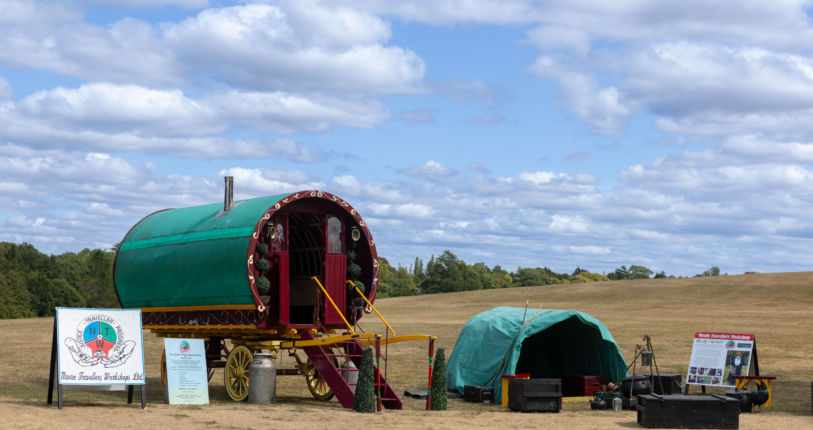
This Traveller Heritage Strategy sets out the Heritage Council's commitment to recognising, preserving and celebrating the cultural heritage of the Traveller community in Ireland.
This Traveller Heritage Strategy sets out the Heritage Council's commitment to recognising, preserving and celebrating the cultural heritage of the Traveller community in Ireland.
The formal recognition by the Irish State of Traveller ethnicity in 2017 marked a significant milestone in Irish society, affirming the unique cultural heritage and identity of Irish Travellers.
This Traveller Heritage Strategy sets out the Heritage Council's commitment to recognising, preserving and celebrating the cultural heritage of the Traveller community in Ireland.
Traveller heritage is profoundly valuable. It has a deep inherent value to Irish Travellers and is an intrinsic part of Ireland's national identity. Traveller heritage encompasses many varied and unique expressions that have been passed down through the generations. There have been decades of Traveller activism and advocacy for cultural recognition and equality, acknowledging the community's distinct ethnic identity and the essential role heritage plays in fostering pride, belonging and respect.
The Heritage Council, led by the Traveller Heritage Strategy Working Group, has created this Strategy to respond to the lack of targeted investment in Traveller culture and heritage. It aims to safeguard and promote Traveller heritage through a comprehensive, inclusive and culturally sensitive approach that places Traveller voices and experiences at its core.
This strategy is grounded in a co-designed methodology that respects the diversity within the Traveller community and seeks to create safe, respectful spaces for dialogue and engagement. This strategy was developed through the input of a Traveller-led Traveller Heritage Strategy Working Group, which included representatives of four national representative bodies (the Irish Traveller Movement, Pavee Point Traveller and Roma Centre, the National Traveller Women's Forum, Mincéirs Whidden) as well as six other Traveller organisations and representatives. The Heritage Council and the Department of Children, Disability and Equality, which has oversight on the implementation of the National Traveller and Roma Inclusion Strategy II 2024-2028 (NTRIS II), were also represented on this working group. A national consultation was undertaken by the working group to inform this strategy.
Through this strategy, the Heritage Council reaffirms its dedication to working in partnership with the Traveller community and Traveller organisations to ensure that Traveller heritage is not only acknowledged and preserved but also celebrated as a fundamental and living part of Ireland's shared cultural landscape.
An Ireland in which the Traveller community is fully respected, valued, and supported as a core component of the nation's diverse cultural fabric, ensuring the preservation, continuation and celebration of Traveller heritage and Travellers' cultural rights.
The Heritage Council is enormously grateful to the members of the working group, under the leadership of working group Convenor, Owen Patrick Ward, for their time, expertise and input.
A key element of ensuring the co-design of this strategy was a national consultation, undertaken in 2024/25. It is very important that this strategy is community-led, and therefore we gratefully acknowledge the generosity and honesty of those members of the Traveller community who engaged with the consultation process.
We also thank Exchange House Ireland, the Irish Traveller Movement, Mincéirs Whiden, the National Traveller Women's Forum, Pavee Point Traveller and Roma Centre and the Western Traveller and Intercultural Development Centre who acted as co-organisers and hosts of the consultation events.
Read the strategy below.
National Hedgerow Week is a partnership between Teagasc and the Heritage Council. The week aims to raise awareness of the importance of hedgerows for biodiversity, farming, climate and heritage.

A collaboration between The Heritage Council and the Fulbright Commission that offers Irish Scholars and Professionals, working in the Cultural Heritage Sector, a fully funded opportunity to lecture or research at at higher education institutions or organisations in the United States.
The Shared Island Heritage Networks Programme is a five-year programme led by the Heritage Council and funded through the Shared Island initiative.