Get Advice
If you have an idea for a heritage project and are not sure how or where to start, we encourage you to check out some of the following resources:
If you have an idea for a heritage project and are not sure how or where to start, we encourage you to check out some of the following resources:
View and download our corporate documents here.

The history of The Bishop's Palace, Kilkenny, the home of the Heritage Council since 2008.
Read moreRead lessUsing the conservation plan methodology introduced into Ireland by the Heritage Council,
the historical significance of all aspects of the building and site were documented. Based on a
careful survey of its qualities, Consarc Architects drew up plans for the building’s re-use.
The
Heritage Council, conscious of the rich tapestry of history that could be read in the buildings,
was anxious to demonstrate that 'heritage' is a living thing, and that having a respectful attitude
to heritage does not curtail creativity, or contemporary interventions.
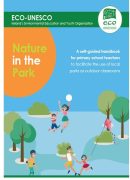
ECO-UNESCO were delighted to launch 'Nature in the Park', a free resource for primary schools alongside Dublin City Council on May 22nd
Meet our board
You have an important role in helping to care for our precious and diverse heritage. From recording insects in your garden to securing a local monument, you can play a big part in protecting and preserving our natural and historic legacy.

This publication highlights the threats to Ireland’s coastline, providing many little-known facts about our coastal heritage.
Read moreRead lessThe island of Ireland has a long and complex coastline in relation to its land area. This interface between land and sea contains some of the finest parts of our natural and man-made heritage. The natural heritage includes rocks, marine and coastal habitats and marine life, including plankton, shellfish, fish, seabirds, whales and seals. Our human heritage is rich and varied including coastal and island communities, traditional boats, historical fishing methods, shipwrecks, and coastal archaeology.

This publication provides an overview of maritime archaeology from the Mesolithic period to the archaeology of the modern coastline.
Read moreRead lessIreland’s island story is written on its seashore. About ten thousand years ago, our first human
settlers – hunter-gatherers of the Mesolithic era - came here by boat. Since then, people have
lived, worked, travelled and buried their dead around Ireland’s coastal landscapes - using the
sea as a source of food, raw materials, as a means of travel and communications and as a place
to build communities.
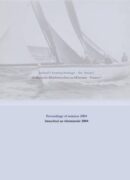
This publication provides the findings of the seminar and the individual presentations made.
Read moreRead lessIn 2003 the Heritage Council became concerned about Irish boats, both inland and sea-going, as a neglected aspect of our heritage. To inform itself, the Council commissioned Reggie Goodbody to carry out a scoping study of the heritage boat sector. Arising from this study the Council
decided to host a seminar on Ireland’s boats in 2004, to which people involved in any aspect of inland and maritime boats were invited to attend.

This document presents a policy framework to facilitate the development of the museum sector in Ireland, based on the parallel development of the Standards and Accreditation Scheme and the Training Strategy.
Read moreRead lessThe Museums Standards Programme for Ireland was established subsequent to the publication of this paper.
This programme, the first of its kind in the Republic of Ireland, sets out to improve all aspects of Ireland’s museum practice. A voluntary programme, it has attracted involvement from across the cultural spectrum - from national institutions to small, volunteer-led organisations.